
Online Mental Health Training for First Responders
A self-directed online program built for trauma-exposed professionals. Eight evidence-informed modules that you can complete on your schedule, anywhere, anytime.
▶ A self-directed online training course
▶ Complete at your own pace, anytime, anywhere
▶ Comprehensive modules with in-depth, self-reflective practice and implementation

Tools and Skills You’ll Build with BOS On Demand
BOS On Demand is more than a mental health course. It’s a practical training program built around the specific psychological demands of frontline, military, and public safety work. Each module builds on the last, developing real skills that participants carry into both the job and their personal lives.
-
Understand how operational stress disrupts communication and learn practical skills to strengthen relationships at work and at home.
-
Learn to identify emotional triggers, disrupt unhelpful thought patterns, and manage your internal state under pressure.
-
Build the self-awareness to recognize how stress is affecting you, understand your own responses, and take control of your mental health.

Proud Partners

Trusted by fire departments, law enforcement agencies, and institutions across North America.





Access Practical Tools for Frontline Workers to Manage Operational Stress
Evidence Based Course Instruction
BOS On Demand was developed by a team of clinical psychologists with deep knowledge in operational stress, trauma, and frontline mental health. The curriculum synthesizes the latest research into a practical, accessible program built for the people who need it most.

Take a Look Inside
Eight modules, each approximately one hour in length, each building on the last. Here’s what you’ll cover.
-
The first module establishes group expectations and defines operational stress, operational stress injuries (OSIs), compassion fatigue, moral injury, and other terms relevant to the mental health of public safety personnel. It includes an overview of the history of Stoic service culture, when stoicism can be helpful, and when it can be harmful. Functional Disconnection and Reconnection (FD/FR) is introduced as a mechanism through which frontline workers can take an active role when they transition between their occupational and personal identities.
-
The second module discusses brain development, focusing on how the stress response has evolved to support survival. The module centers on the autonomic nervous system, its sympathetic and parasympathetic branches, hormonal dysregulation, and the impact chronic stress can have on the brain over time.
-
The third module focuses on how unprocessed trauma impacts the nervous system, especially in terms of dysregulation of the stress response. Participants learn how operational stress injuries can sometimes manifest in hypo- or hyper-arousal of the nervous system. The Window of Tolerance is introduced as a self-monitoring and self-awareness tool that participants can apply in their daily lives.
-
The fourth module highlights the connections between thoughts, behaviors, and emotions through a discussion of automatic thoughts, cognitive distortions, and cognitive biases. Participants learn practical ways to monitor their own thinking and disrupt unhelpful thought patterns when they arise.
-
The fifth module is about increasing emotional awareness, including describing the purpose of emotions, and helping frontline workers understand how emotions help make sense of experience. Cultural and societal influences on emotional expression are discussed, followed by an examination of how cultural expectations in frontline environments can lead to the suppression of emotions labelled as unacceptable.
-
The sixth module focuses on the role of avoidance in maintaining anxiety and post-trauma reactions, and how avoidance can interfere with the natural recovery process. The ideas of habituation and in vivo exposure are also introduced. Gradual exposure is proposed as a way to reduce problematic avoidance behaviours, with discussion of engagement strategies to increase self-efficacy.
-
The seventh module discusses how operational stress can negatively impact communication patterns, both at work and at home. Key communication skills are presented to enhance interpersonal understanding, reduce conflict, and help participants navigate difficult conversations more effectively.
-
The eighth and final module explores how empathy can be both a strength and a vulnerability in frontline careers. Functional Disconnection and Reconnection (FD/FR) is revisited as a strategy to balance that paradox. Participants are encouraged to identify specific strategies they’ll use to facilitate healthy transitions between their occupational and personal identities.

Looking for Free Mental Health Resources for First Responders?
Try these proven strategies to support your mental health for free before enrolling in the full program.
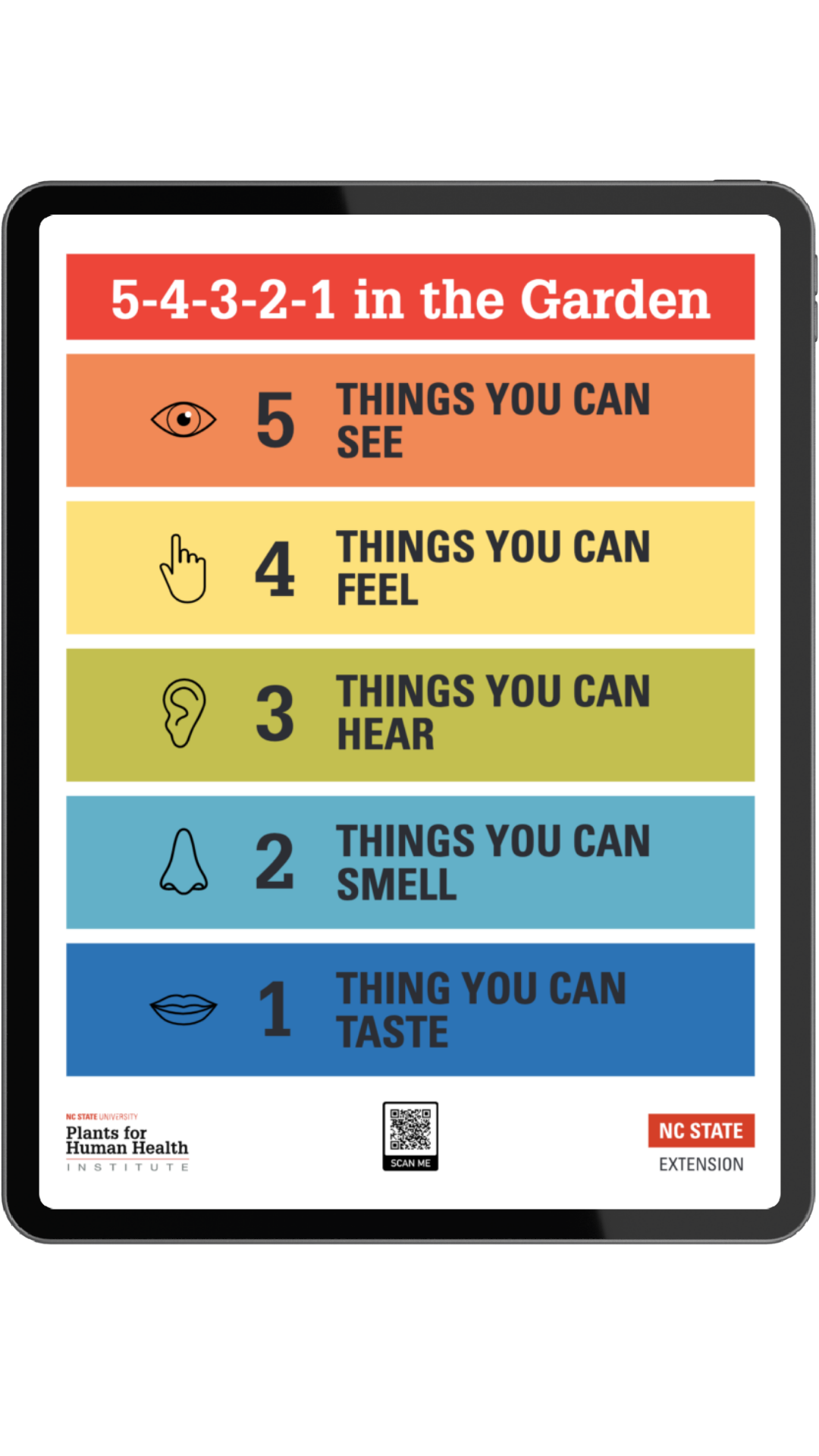
Active Relaxation Skills | 5-4-3-2-1 Grounding Exercise | Combatting Distortions | Catastrophic Thinking Guide | FD/FR Strategies
200+
COMPANIES ONBOARDED
From small agencies to large departments across North America.
100
EVIDENCE INFORMED TRAINING
Every module is grounded in clinical psychology and resilience science.
74,000
FIRST REPONDERS HELPED
Firefighters, officers, paramedics, and frontline workers are better equipped with BOS.



Frequently Asked Questions About BOS On Demand
Everything you need to know about BOS On Demand before you get started.
-
BOS On Demand is an evidence-informed self-study mental health training program designed specifically for public safety personnel, frontline workers, and the military. Developed by clinical psychologists at Wayfound, it provides practical tools to manage operational stress before it becomes an occupational stress injury. The program consists of eight pre-recorded modules, each approximately one hour long, which can be completed anywhere and at any pace.
-
BOS is designed for all those who serve on the frontline or in a supporting role. This includes public safety personnel such as EMS and paramedics, firefighters, law enforcement officers, and corrections staff. It can also help legal personnel, military personnel, social workers, nurses and physicians, and anyone in a high-stress, trauma-exposed position.
BOS is not suitable for individuals who are actively suicidal or homicidal, or who have been so in the last six months without professional support. It’s also not suitable for those currently experiencing untreated symptoms of psychosis. If this applies to you, please reach out to a mental health professional directly.
-
Yes. BOS is an evidence-informed program meticulously developed by clinical psychologists to integrate the latest and most reliable research into its curriculum. Every module draws on established frameworks from clinical psychology, trauma research, and resilience science. BOS has also been the subject of published research.
-
BOS On Demand consists of eight modules, each approximately one hour long. The total program is six to eight hours and is completed entirely at your own pace. There’s no expiry on your access. Once purchased, you can work through the modules over days, weeks, or months, and revisit any material at any time.
-
No. BOS On Demand is a psychoeducational training program, not a clinical intervention. It’s designed for prevention and resilience building, not treatment. If you’re currently experiencing significant mental health symptoms, PTSD, or are in crisis, please seek support from a qualified mental health professional. BOS also offers BOS Intensive, a clinician-led program that includes psychological therapy support for those who need a higher level of care.
-
Absolutely. BOS On Demand is available at group pricing for departments, agencies, and organizations. All BOS programs, including On Demand, Classroom, and Intensive, are available for organizational purchase. Contact us for group pricing details and to discuss the right option for your team.
-
Yes. Participants receive a completion certificate upon finishing all eight modules of BOS On Demand. This can be submitted to departments or organizations for professional development records or continuing education requirements.
-
If you’re looking for flexible, self-directed training you can start immediately, BOS On Demand is the right place to start. If your organization is looking to train a group together, BOS Classroom may be a better fit. If you or someone you know is already experiencing the effects of operational stress, BOS Intensive offers clinician-led group support with psychological therapy included. You’re also welcome to reach out to the BOS team directly, and we’ll help you find the best fit.
BOS is Already Helping Over 74,000 First Responders Just Like You
Start building the mental health tools you need before operational stress becomes a crisis.