

Proactive Mental Health Training For Public Safety and Emergency Management Professionals
Join over 74,000 first responders who've built stronger mental health with BOS.
30% of first responders develop a mental health condition
Research on emergency management professionals specifically found that those with higher secondary traumatic stress scores had nearly three times the odds of considering leaving the field. Disaster frequency is rising. Workforce pressures are intensifying. The mental health needs of public safety and emergency management professionals remain systematically underserved, and they are at risk of developing mental health conditions like:
PTSD
Depression & anxiety
Compassion fatigue
PTSD
Depression & anxiety
Compassion fatigue
Secondary traumatic stress
Occupational burnout
Secondary traumatic stress
Occupational burnout
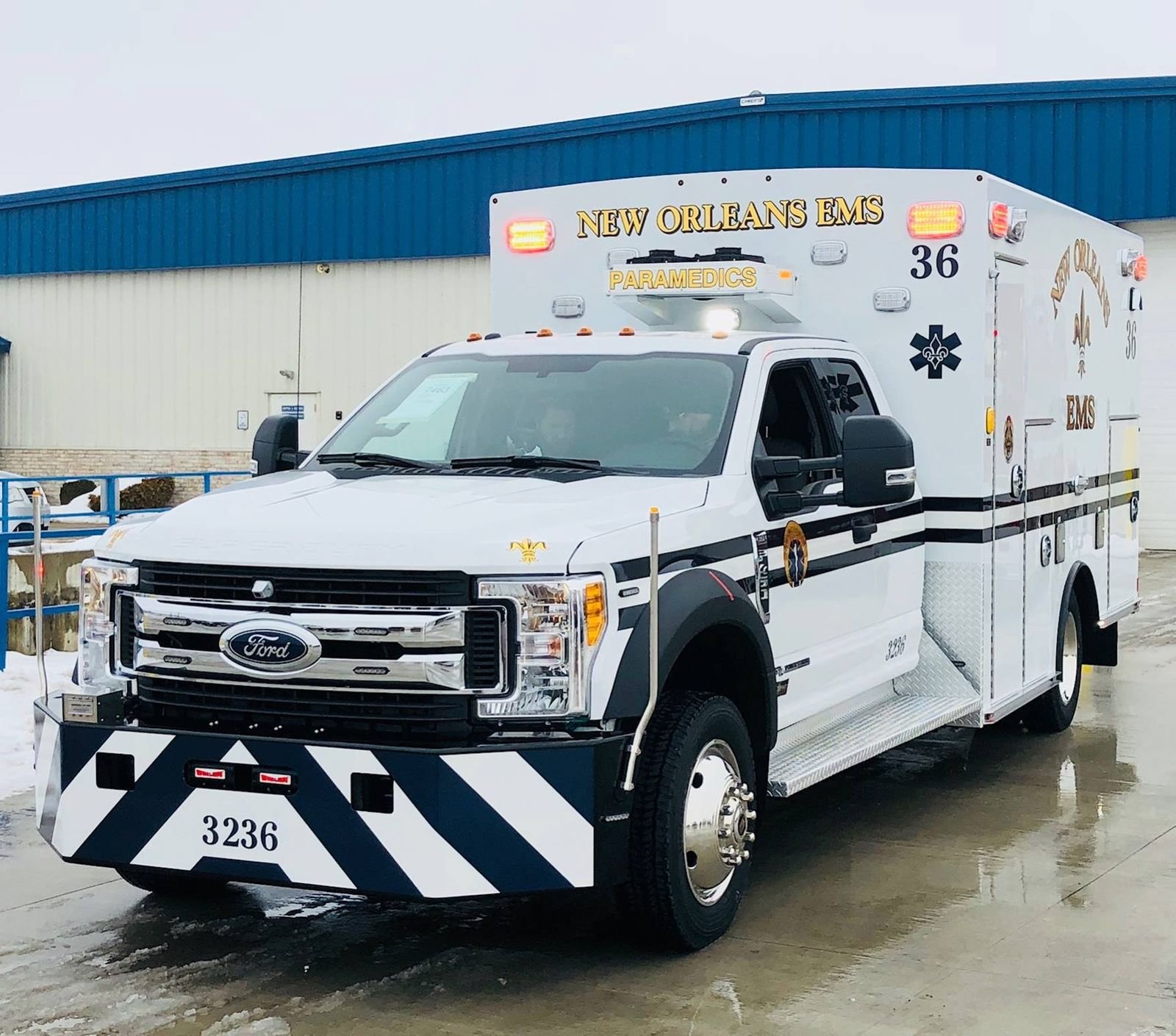
The People Who Manage Crises for Everyone Else Need Someone Managing Theirs
Public safety professionals and emergency managers are trained to handle everything their communities face. BOS ensures they are equally prepared to handle the effects that the work has on them over time.
Address Secondary
Traumatic Stress
Emergency managers are exposed to mass casualty events, natural disasters, and community-level trauma, often repeatedly and across a career, with no geographic escape. Research shows that untreated secondary traumatic stress significantly increases the likelihood that emergency management professionals leave their roles. BOS teaches the psychological tools to recognize and manage that stress before it becomes a career-ending crisis.
Counter Burnout in a Field Where Demand Never Stops Growing
The frequency of large-scale disasters has risen sharply in recent years. Public safety professionals are managing more complex, more frequent, and more prolonged crises with the same or fewer resources. That gap between demand and capacity is the engine of occupational burnout. BOS addresses the psychological mechanisms behind burnout and gives professionals practical tools to recognize it early, manage it actively, and protect their long-term capacity to serve.
Equip Leaders to Recognize & Support Staff Under Stress
Emergency management leaders and public safety administrators are often the last to acknowledge their own stress, even as they are responsible for the well-being of everyone around them. More than 80% of first responders report that stigma is a major barrier to seeking help. BOS Trauma-Informed Leadership training equips supervisors and leaders to recognize the signs of operational stress in their teams, create cultures where getting help is normalized, and model the psychological resilience their organizations need.
BOS On Demand
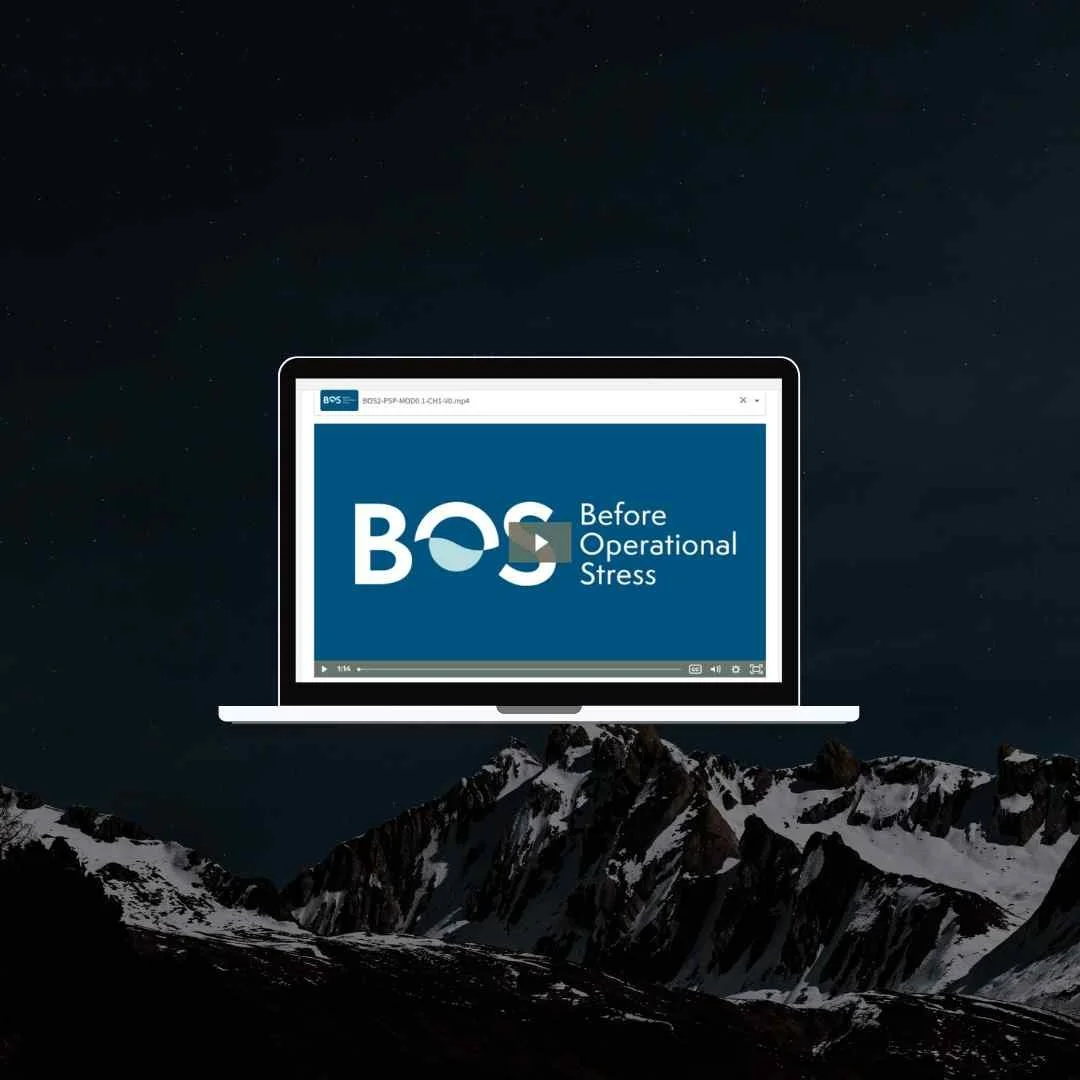
BOS On Demand is a self-directed online training program that gives trauma-exposed professionals the mental health tools they need, on their schedule, at their own pace, from anywhere. Eight evidence-informed modules cover the full spectrum of operational stress, from understanding how stress affects the brain to building long-term psychological resilience.
Ideal for individuals who want flexibility without sacrificing depth. No cohort schedules, no waiting on an organization to act. Just practical, evidence-based training available the moment you need it.
Format
Self-directed online
Duration
6-8 hrs, 8 modules, go at your own pace
Price
$200 one-time, 1 year access
Participants
Individual enrollment
Includes Therapy
No, psychoeducation only
Certificate
Yes, on completion
BOS Classroom
BOS Classroom brings the same evidence-based curriculum to life in a live, facilitated group setting. Delivered in person or via webinar, this program is for organizations that want to build a shared foundation of mental health awareness across their teams.
Ideal for new recruits, existing cohorts, peer support groups, and wellness teams. With flexible scheduling to fit organizational timelines, BOS Classroom is the most common entry point for departments and agencies investing in their people.
Format
Live in-person or online webinar
Duration
Approx. 8 hrs, flexible scheduling
Price
Group rate, contact us for a quote
Participants
We recommend group sizes under 30 participants, but will work with your organization to design cohorts and group sizes that fit your specific needs.
Includes Therapy
No, psychoeducation only
Best For
Departments, agencies, peer support groups

200+
COMPANIES ONBOARDED
From small agencies to large departments across North America.
100%
EVIDENCE-INFORMED TRAINING
Every module is grounded in clinical psychology and resilience science.
74,000
FIRST RESPONDERS HELPED
Firefighters, officers, paramedics, and frontline workers are better equipped with BOS.
Proud Partners

Trusted by fire departments, law enforcement agencies, and institutions across North America.




Access practical tools for frontline workers to manage operational stress
Frequently Asked Questions
Everything you need to know about BOS mental health training for public safety professionals and emergency management organizations.
-
Yes. BOS is built for anyone working in high-stress operational environments where trauma exposure is part of the job. That includes both frontline first responders and the emergency managers, coordinators, administrators, and public safety leaders who support and direct crisis response. The psychological challenges are different across those roles, but the need for proactive mental health training is consistent. BOS On Demand addresses the full spectrum, including secondary traumatic stress, compassion fatigue, leadership burnout, and disaster-specific stress that are particularly relevant to emergency management roles.
-
BOS On Demand is entirely self-paced and designed to work around the unpredictable schedules and deployment cycles common in public safety and emergency management. Most participants work through the 12 modules over several weeks, completing them at home or between shifts. There’s no expiry on access. Once purchased, you can return to the material at any point throughout your career.
-
Yes. BOS Classroom delivers instructor-led group training directly to public safety agencies, emergency management organizations, and government departments. Trauma-Informed Leadership training is also available for directors, administrators, and supervisors who lead teams carrying significant trauma and stress loads. Contact us to discuss agency-wide delivery, volume pricing, and program formats suited to the structure and scale of your organization.
-
Public safety professionals are occupationally exposed to traumatic events as a routine part of their work. SAMHSA estimates that approximately 30 percent of first responders develop behavioral health conditions, including depression and PTSD, compared to 20 percent in the general population. A large-scale New York State assessment of over 6,000 public safety professionals found that 68 percent reported high stress, 59 percent experienced burnout, and 38 percent showed PTSD symptoms. Suicidal ideation was reported at four times the general population rate.
-
Yes. BOS was developed by leading mental health experts and psychologists using evidence-informed practices from clinical psychology, resilience science, and direct operational experience working with first responders. The program has been delivered to over 74,000 frontline professionals across North America.
-
Secondary traumatic stress is the psychological impact of indirect exposure to trauma through managing, coordinating, or supporting others who have experienced traumatic events directly. Emergency managers who coordinate disaster response, review casualty reports, communicate with grieving families, and manage teams through mass casualty events are exposed to high levels of secondary traumatic stress across their careers. Research published in the Journal of Emergency Management found that emergency management professionals with elevated secondary traumatic stress scores had nearly three times the odds of considering leaving the field entirely.
-
Yes. Participants receive a completion certificate upon finishing BOS On Demand. This can be submitted to your agency for professional development records or used toward continuing education requirements.