

Proactive PTSD Training and Management
First responders and frontline professionals face trauma exposure every shift. BOS provides evidence-informed tools to help you understand how repeated stress affects mental health and gives you practical ways to respond before it reaches a crisis point.
The Reality of Frontline Work
Roughly 30% of First Responders Deal With PTSD
Frontline workers are exposed to traumatic events at a rate the general population never experiences. Without the right tools, that exposure can accumulate into burnout, PTSD, and health consequences that outlast the job itself.

Acquire Tools Applicable to Understanding and Managing PTSD Early
PTSD often develops gradually over time. Repeated exposure to traumatic events can build up over the course of a career when those experiences go unprocessed.
BOS gives people practical skills to recognize the impact early and manage it before long-term harm takes hold.
Recognize PTSD Before It Takes Hold
Most first responders are never taught what PTSD actually looks like. BOS teaches you to identify early warning signs, understand your body's stress response, and recognize when the job is starting to change you, before the symptoms become disabling.
Build Psychological Resilience That Lasts
We believe that skills to build resilience can be taught. BOS teaches practical, evidence-informed strategies for emotional regulation, cognitive reframing, and stress recovery that compound over time, protecting your mental health throughout your career.
Take Action Before You’re in Crisis
The mental health system is built to respond after people break down. BOS wants to lessen the factors that can contribute to the breakdown in the first place. By training before the symptoms become severe, frontline workers stay in control of their own mental health rather than waiting for a crisis to force their hand.
Proud Partners
Trusted by fire departments, law enforcement agencies, and institutions across North America.





Proactively Manage PTSD & More with Training Made to Fit Your Schedule
Designed specifically for shift work and the kind of busy schedules first responders often face.
▶ Self-directed online training that lets you work at your own pace, without disrupting your shift schedule or personal time.
▶ Comprehensive modules covering the physiology of stress, trauma recognition, emotional regulation, cognitive impacts, and coping strategies that actually work in a frontline context.
▶ Built for first responders by leading mental health experts and clinical psychologists with deep expertise in operational stress and PTSD.
▶ Completion certificate available for professional development records and continuing education requirements.
200+
COMPANIES ONBOARDED
From small agencies to large departments across North America.
100
EVIDENCE-INFORMED TRAINING
Every module is grounded in clinical psychology and resilience science.
74,000
FIRST RESPONDERS HELPED
Firefighters, officers, paramedics, and frontline workers are better equipped with BOS.
Access Practical Mental Health Tools Designed for Frontline Workers
Specialized PTSD Training for First Responders

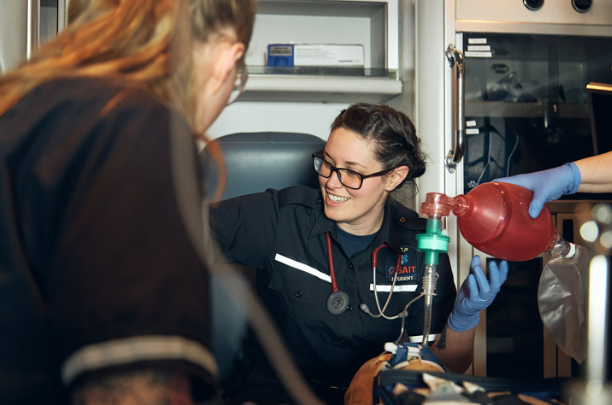
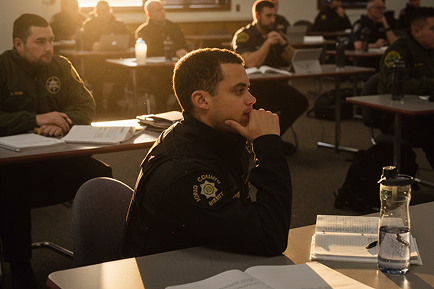

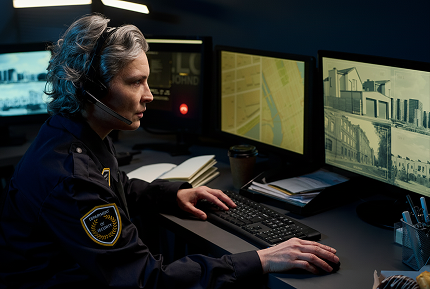

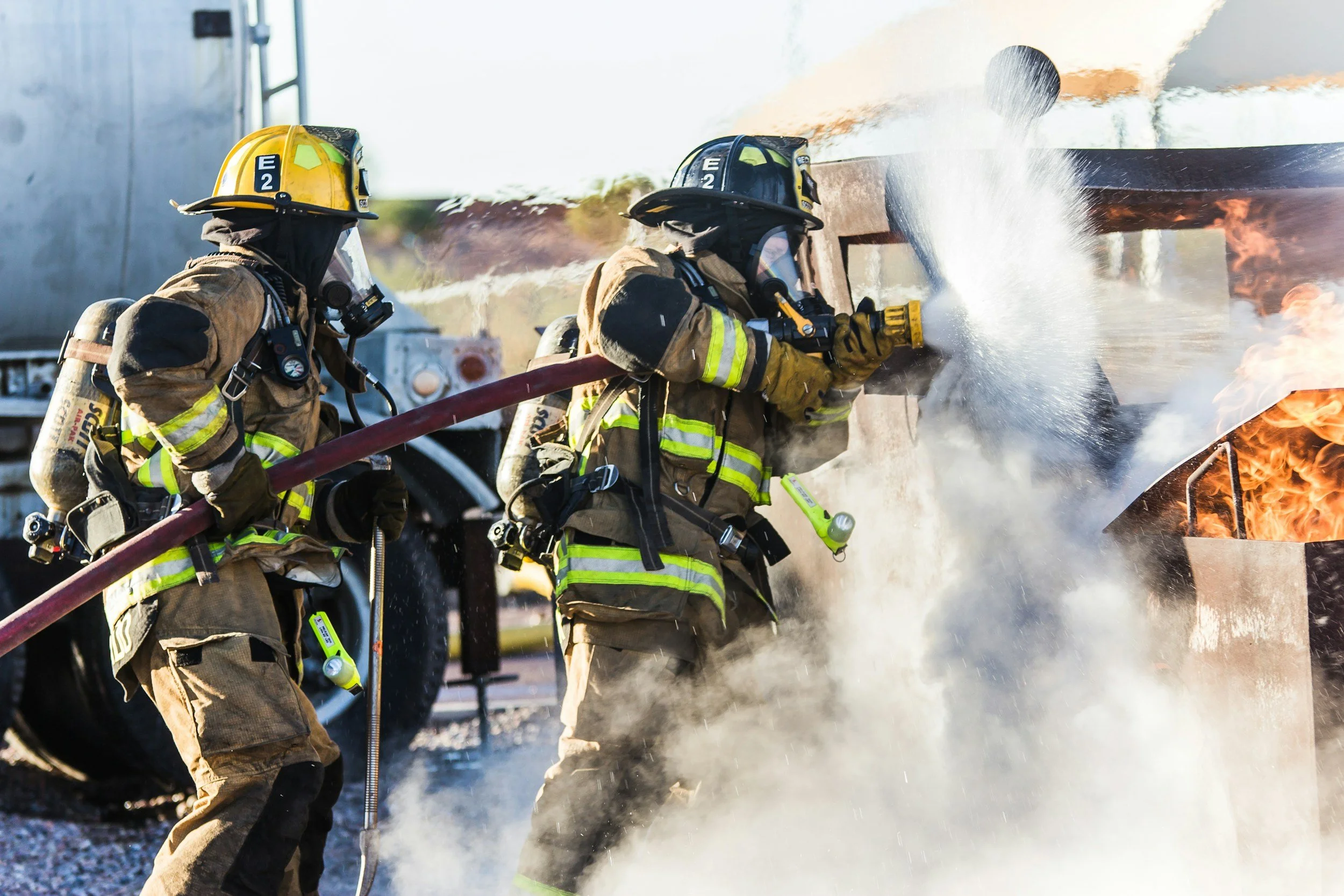



All Programs
Whether you need a self-paced online course, group training for your department, or intensive therapy for trauma recovery, BOS has a program built for where you are.
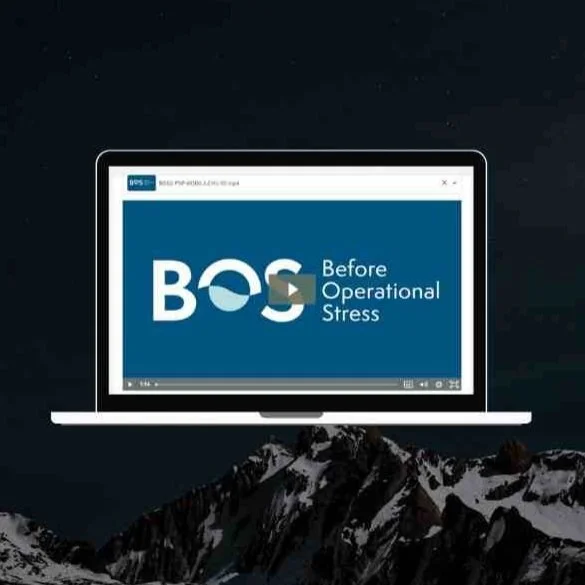
BOS on Demand
Individual Online
Self-paced online training. Complete on your own schedule, anywhere. Made for shift workers.

BOS Classroom
Group Learning
Instructor-led group training delivered directly to fire departments and other agencies.

Trauma-Informed
Leadership Training
Helping leaders remain strong and steadfast while creating healthy organizational cultures.

PTSD Treatment
Prolonged Exposure Therapy
Evidence-based psychotherapy for responders confronting post-traumatic stress disorder (PTSD).
Frequently Asked Questions
Common questions about proactive PTSD training and management for first responders and frontline professionals.
-
Proactive PTSD training teaches first responders and frontline professionals how to recognize the early effects of operational stress, manage their psychological responses to trauma exposure, and build resilience skills to attempt to mitigate the chances that their symptoms will develop into a diagnosable condition. Training that is proactive rather than reactive gives first responders and PSP tools to protect their mental health throughout their careers instead of waiting until after a crisis forces them to seek help.
-
According to research conducted by CIPSRT and funded by Public Safety Canada, 23% of public safety officers screen positive for PTSD. While not everyone who experiences trauma will develop PTSD, frontline professionals face cumulative, repeated exposure that exponentially elevates their risk. Building psychological resilience, emotional regulation skills, and self-awareness before and during that exposure creates meaningful protection. BOS is designed to do exactly that.
-
Our PTSD training and management is designed for all professionals who face regular trauma exposure through their work. This includes law enforcement officers, firefighters, paramedics and EMS personnel, 911 dispatchers, military personnel and veterans, healthcare workers, corrections officers, social workers, and legal professionals working with trauma-related cases. The curriculum is built around the specific mental health challenges of operational and frontline work.
-
Yes. BOS is developed by clinical psychologists and draws on established frameworks from trauma research, cognitive-behavioral psychology, and resilience science. Every module is grounded in peer-reviewed research. BOS has also been the subject of published academic research.
-
BOS offers group training options specifically for departments, agencies, and organizations. These initiatives are part of BOS Classroom, which is the most common entry point for organizational training and can be delivered in-person or via webinar for groups of any size. Contact the BOS team directly to discuss pricing and scheduling.
-
Yes. Our self-study BOS On Demand format is available for individual purchase at $200 and can be completed entirely on your own, at your own pace, without any organizational involvement. Many first responders choose to start with BOS On Demand independently and later advocate for their department to bring the full classroom program to their colleagues.