

Trauma-Informed Training and Leadership
Trauma doesn't stay at the scene. It follows you back to the station, the hospital, the office.
The Trauma-Informed Leadership (TIL) program gives frontline professionals and the leaders who manage them the skills to recognize the impact of trauma, respond to it effectively, and build workplace cultures that don't make it worse.
The Reality of Frontline Work
Most First Responders Have Never Been Taught What Trauma Does to a Team
Trauma changes how people think, act, communicate, and perform. When leaders don't recognize those changes for what they are, they respond in ways that compound the problem rather than address it. Trauma-informed training gives both frontline workers and their supervisors the tools to understand what's happening and respond in ways that actually help.

Get the Tools to Recognize and Respond to Trauma at Work
Trauma-informed training isn't about diagnosing your colleagues. It's about understanding how exposure to trauma shapes behavior, communication, and performance, so you can respond with the awareness the situation actually requires.
Recognize How Trauma Shows Up at Work
Operational stress doesn't always look the way people expect. Withdrawal, irritability, hypervigilance, and changes in performance are common signs that are often misread as attitude or effort problems. BOS teaches you to see what's actually happening beneath the surface.
Lead in a Way That Supports Instead of Silences
The way supervisors respond to struggling team members either creates a sense of safety or shuts people down. The Trauma-Informed Leadership program teaches the specific skills leaders need to foster a culture where people can acknowledge what the work costs them and get the support they need before things break down.
Build a Culture That Protects Your People
Individual resilience only goes so far. The organizational culture around a person can either reinforce the damage trauma does or actively protect against it. Trauma-informed training gives organizations the framework to build environments where people don't have to choose between getting help and keeping their careers.
Proud Partners
Trusted by fire departments, law enforcement agencies, and institutions across North America.





Trauma-Informed Training Made for Your Schedule
Designed specifically for shift work and the kind of busy schedules first responders often face.
▶ Self-directed online training you can complete at your own pace, without coordinating schedules or waiting for your organization to act.
▶ Comprehensive modules covering the biology of trauma, how it affects cognition and behavior, the role of organizational culture, and the specific skills for responding to trauma-exposed colleagues and teams.
▶ Built for first responders and frontline leaders by clinical psychologists who understand what these environments actually look like and what they cost the people inside them.
▶ Completion certificate available for professional development records and continuing education requirements.
200+
COMPANIES ONBOARDED
From small agencies to large departments across North America.
100
EVIDENCE-INFORMED TRAINING
Every module is grounded in clinical psychology and resilience science.
74,000
FIRST RESPONDERS HELPED
Firefighters, officers, paramedics, and frontline workers are better equipped with BOS.
Access Trauma-Informed Training Built for Frontline Workers and Their Leaders
Specialized Trauma-Informed Training for First Responders
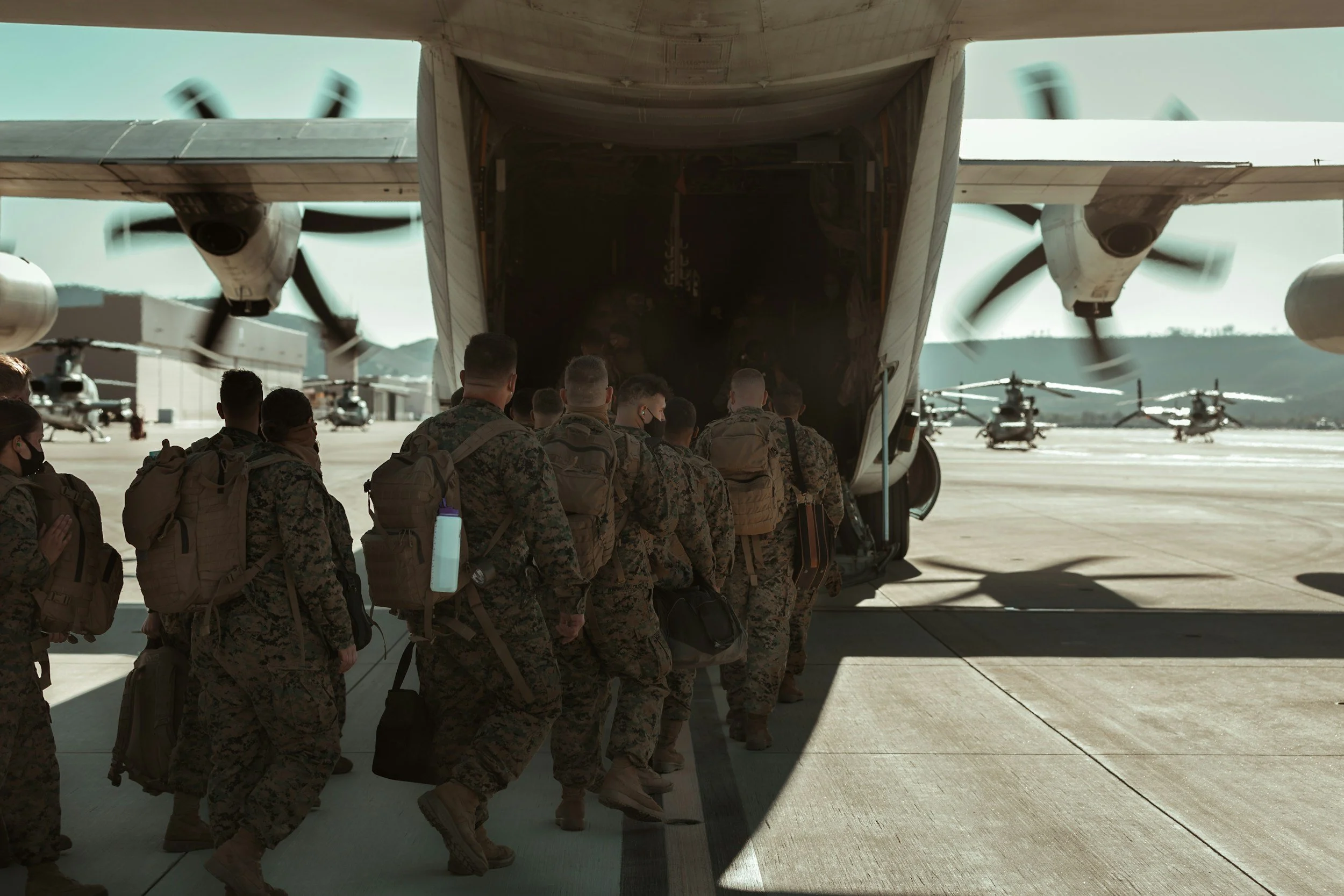
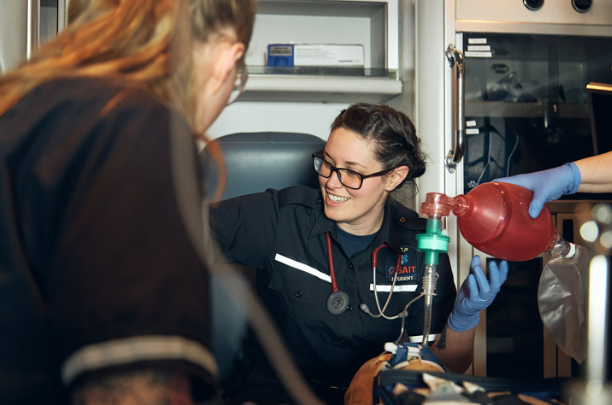
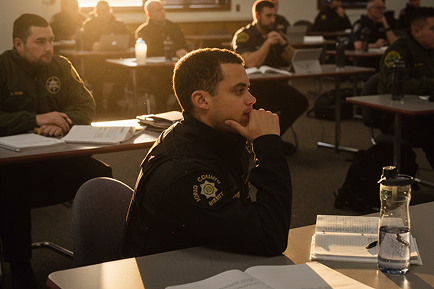






All Programs
Whether you need a self-paced online course, group training for your department, or intensive therapy for trauma recovery, BOS has a program built for where you are.
BOS on Demand
Individual Online
Self-paced online training. Complete on your own schedule, anywhere. Made for shift workers.

BOS Classroom
Group Learning
Instructor-led group training delivered directly to fire departments and other agencies.

Trauma-Informed
Leadership Training
Helping leaders remain strong and steadfast while creating healthy organizational cultures.

PTSD Treatment
Prolonged Exposure Therapy
Evidence-based psychotherapy for responders confronting post-traumatic stress disorder (PTSD).
Frequently Asked Questions
Common questions about trauma-informed training and trauma-informed leadership for first responders and frontline organizations.
-
Trauma-informed training builds awareness of how trauma exposure affects behavior, communication, thinking, and health. It doesn't turn frontline workers into therapists. Instead, it gives them the knowledge to recognize trauma's effects in themselves and their colleagues, and the skills to respond in ways that support recovery rather than compound the damage. For organizations, it also means building structures and cultures that don't inadvertently punish people for struggling with what the job costs them.
-
Trauma-informed leadership is a specific approach to managing and supervising people in high-trauma environments. It means understanding how trauma affects your team, recognizing the signs of operational stress in your people before they reach a breaking point, and leading in a way that creates psychological safety rather than reinforcing the culture of silence that so often makes things worse. Trauma-Informed Leadership training is designed for supervisors, managers, and organizational leaders.
-
BOS trauma-informed training is designed for anyone working in high-stress, trauma-exposed environments, including frontline professionals such as law enforcement officers, firefighters, paramedics, 911 dispatchers, healthcare workers, social workers, military personnel, and corrections officers, as well as the supervisors and leaders who manage these teams. Both frontline workers and their leaders benefit from understanding how trauma shapes the workplace.
-
Most trauma awareness programs are built for general healthcare or social service settings. BOS was developed specifically for the culture, language, and realities of operational and frontline work. The curriculum doesn't just explain what trauma is. It addresses the specific ways trauma accumulates in first responder careers, the organizational culture factors that make things better or worse, and the practical skills that are actually useful in these environments.
-
Yes. Trauma-Informed Leadership is available for organizational delivery and is designed for supervisors, managers, and department leaders. The program is delivered in four sessions covering the historical and biological underpinnings of trauma, its influence on leadership, empathetic leadership skills, and knowledge translation into everyday practice. Contact the BOS team to discuss bringing this program to your organization.
-
BOS On Demand and BOS Classroom are psychoeducational programs. They are designed to build awareness and skills, not to provide clinical treatment.
-
Research consistently shows that the environment around a person after trauma exposure plays a significant role in whether they recover or develop lasting psychological harm. In high-stigma cultures where asking for help is seen as weakness, people delay getting support until their symptoms are severe. Trauma-informed organizations create conditions where people feel safe acknowledging the cost of the work and accessing help early, before the damage becomes harder to treat.
-
They're complementary, not competing approaches. Resilience training focuses on building the personal skills to manage and recover from stress and trauma exposure. Trauma-informed training focuses on understanding trauma's effects and responding to them appropriately, both individually and organizationally. BOS and TIL cover both. Most participants find that the two approaches reinforce each other, and many complete the full BOS and TIL curricula to get the benefit of both.